October
The month of October comes from the Roman Calendar and Latin word Octo (eight). This of course is not the 8th month, but the 10th month. When the Romans converted to a 12-month year, the name October was kept. It is also the month when fall makes its fullest expression.
October 12 is Canada's Thanksgiving,it shares many similarities with its American equivalent.
October 12 Columbus Day (U.S.), a federal holiday, is observed on the second Monday in October. It was on October 12, 1492, that Christopher Columbus landed on a small island in the Bahamas, convinced that he had reached Asia.
October 12 Peoples’ Day (U.S.) celebrates the history and cultures of indigenous peoples native to what is today the United States. Indigenous Peoples’ Day is celebrated in cities and states across the country, often alongside or in lieu of Columbus Day.
October 19 is St. Luke’s Little Summer. This is a date steeped in folklore. Traditionally, around Saint Luke’s feast day, there is a brief period of calm, dry weather.
October 24 is United Nations Day, which aims to bring awareness to the work of the United Nations worldwide.
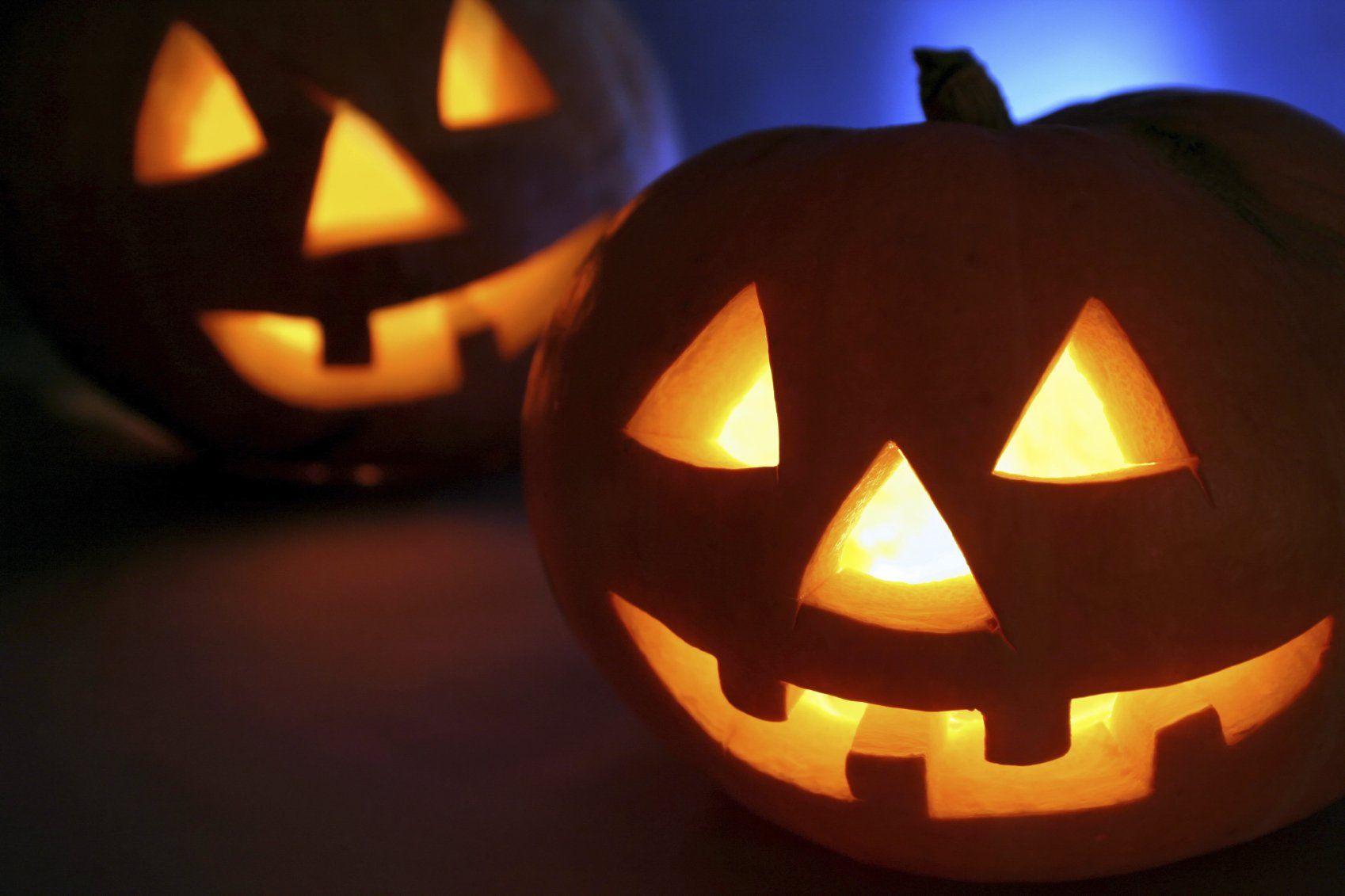
October 31 is Halloween (All Hallows’ Eve)! Do you know the true history of Halloween? It’s not as frightful as you might think.
October is also the time for foliage to change. In the northern hemisphere it is a time when those green leaves turn into vivid red, yellow, orange, or brown colors. Storage of garden crops also takes place.
Planting garlic and bulbs for spring flowers is an October event. Harvesting pumpkins becomes the choice for Halloween decorations.
October’s birth flowers are the cosmos and calendula (marigold). Birthstone is opal.
Source: https://www.almanac.com/content/month-october-holidays-fun-facts-folklore